

A collection of stories barging on the Mackenzie River ….
There was a gentle breeze and the sun was shining brightly across the surface of Hardy Bay as I gazed out my front window. The water’s surface reflected a morning glow with a sereneness… it seemed almost dreamlike, lulling me into a peaceful reverie that threw me back in time, half a century and more, to a vivid memory from my youth. I found myself once again standing on the deck of the Aurora Explorer, feeling the steady thrum of the vessel beneath my feet as we floated down the Mackenzie River. The landscape drifting slowly by under great stretches of open sky above, and the occasional flock of diving birds scooting across the water. I again felt an overwhelming sense of freedom and connection with nature in Canada’s north country. In that quiet moment, separated by decades yet united by the familiar embrace of water, sun, and wind in my front window, I felt the weight of time and my old age gently lift, as if every experience between then and now was but another ripple on the surface of my memories.
I have truly lived an adventure filled life, beginning with youthful days working in remote northern regions…. Building lasting memories of spectacular wildness, stunning scenery, and remarkable wildlife of the Northwest Territories. Some of my most exciting recollections are barging down the Mackenzie River. What follows here is a novelette of stories I put together primarily for my family…about amazing times to be had had many years ago navigating the length of Canada’s mightiest waterway. Tales born five and a half decades ago under an Arctic’s midnight sun, working with extraordinary people in a land of amazing culture and endless possibilities.
The Beginning
At twenty-three I headed to Canada’s Northwest Territories after reading a book about life in the Nahanni and Liard River wilderness called “Dangerous River” by Raymond M. Patterson. It was a thrilling book describing the author’s and his partner Gordon Matthews northern adventures in the 1920s, living by their wits off the raw beauty of a wilderness land in the far North. The book chronicles travels in the Mackenzie River watershed, trapping fur and searching the Nahanni River’s Headless Valley for a cache of legendary lost gold.
I was further enthralled by Mackenzie River mystique after reading about Albert Faille. He too was a trapper and prospector based out of Fort Simpson. This remarkable woodsman spent fifty years alone travelling up the Mackenzie, Liard, and Nahanni River looking for the same fabled McLeod brothers gold, until shortly before he passed away in 1973. While Patterson and Faille didn’t find the gold they sought, they both chronicle a vast wilderness land full of intrigue and mystical appeal. These courageous outdoorsman described a harsh yet grand land full of amazing features, haunting tales, spectacular rivers, lush valleys, and abundant wildlife. Their legendary exploits were spellbinding to me like a “Hardy Boys” book.
Colourful stories about northern characters captivated my attention; the Mad Trapper of Rat River, John Knox, Knut Lang, Field Poole, that found their way into magazines, southern coffee shops, and other meeting places…. Until finally one day, fuelled by the promise of adventure, I packed my gear and bid farewell to a big city life, and in the beginning of March of ‘73 hopped on a bus with a one way ticket… and traveled 2100 kilometres northward leaving cares behind; to discover for myself what that vast sparsely populated northern land was all about.
Arrival in Hay River
After two and a half days and multiple transfers on different bus lines, including a ferry from Vancouver Island to the mainland, I stepped off the bus into sunshine and the small multicultural town of Hay River. It was a wonderful community of 2500 people located on the south shore of Northwest Territories’ Great Slave Lake, the deepest lake in North America and the fifth largest. The region was recovering from a tight grip of winter… the air still held a crisp bite and the lake was frozen solid with a metre and half of ice. Yet, the sun shone with a bright promise of warm days ahead, as I stood in awe on remnants of ice, grit, and snow. I was jobless with only thirty-five dollars to my name but my pockets were full of ambition. I was happy and overwhelmed to be within sight of the Mackenzie River’s headwaters, the object of my adventures.
Called the Coach Line Motel & Cafe, the bus station was bustling with activity that chilly March morning being a small bus freight depot, restaurant, and motel combination. So I asked the owner if I could help out for room and board while I searched for river work elsewhere. Kindly, he agreed to a bed and meals in exchange for kitchen work. I was to met all sorts of likeable locals as I washed dishes, cleaned tables, cleared walkways. The restaurant’s low ceiling, curtained windows, linoleum floors, and plywood exterior walls enveloped a warm and comfortable diner. Locals and visitors alike enjoyed heaping plates of delicious home styled meals, and so did I. Meatloaf, hot beef or turkey sandwiches with vegetables & mashed potatoes. Real home cooking flavourful with gravy satisfying a hunger like mom’s kitchen table did.
Hay River was an end-of-road destination and Canadian Nation railway drop off terminal for northern bound freight. There was no driving through to points north in the summer… Known as the “Hub of the North,” it served as the critical interface between southern land transported materials and northern water transport of the Mackenzie River system. Tons and tons of commodities would be barged northward down the river after spring breakup.
It was a welcoming community well known for unbounded hospitality, close-knit village-like spirit, and resilient character. Everything about the place was shaped by the challenges of a northern environment. Many residents had historical roots connected to the land, lake, and river. The region is home to at least six Aboriginal groups: the Sekani, Dane-zaa, Dene Tha’, Dene, Métis, and the Woodland Cree Dene, contributing to the towns rich cultural.
Rustic new surroundings gave me a feeling of home far from the hustle and bustle of Victoria’s big city life where grew up as the sheltered clean-cut son of a noted surgeon and concert pianist. It was a pleasing environment with a noticeable absence of pretence. People were naturally full of welcome, talkative, and genuinely interested in why I traveled “north”. When asked I’d reply: “Looking for a job on the River and a life full of adventure.” They’d laugh and remind me the river was frozen solid… however suggested I apply at Kaps Transport for a shore job, a well respected local company connected to the river. The 1970’s was a time of economic growth for Hay River and the surrounding area because of oil exploration. This led to a tremendous increase in shipping activity of supporting materials and Hay River became a leading supply centre for such development.
Landing a Job with Kaps Transport
Following advice I applied at Kaps Transport, one of two large marine transportation companies in Hay River. The other marine company was NTCL or Norther Transportation Company Limited. Both businesses operated numerous large tugs, huge barges, and unique supply vessels serving communities along the Mackenzie River, and out into the Arctic Ocean. After three days of persistent pestering Kaps’ office in old town Hay River, the general manager Captain John Mattson, a tall fit fella came out of his office and asked me with an inquisitive smile: “Why are you bothering my staff by applying for deckhand work when the river is still frozen?…. My secretary has already told you we are not hiring yet!” I replied: “You need hard workers, I came North to work hard, that’s why I am applying here, and someday you’ll give me your job!” He laughed at my boldness and hired me on the spot! Then stated: “I’ve heard about you… the character who arrived in town with no money or place to stay washing dishes for room and board at the Coach lines…” I laughed and said “that’s me.”
The manager set me up in the company bunkhouse and three meals a day in an attached cookhouse…. Heaven to a spirited young fella! The very next morning the real meaning of hard work became well apparent; earning my keep removing tonnes of gravel that had found its way into a barge hold through a dislodged deck hatch cover… an arduous undertaking by hand, especially using a plastic five gallon bucket. The job certainly caused calluses and definitely filled my goal of working hard. When the task was completed Don Doidge the shore boss assigned me as engineer’s helper assisting engineers packing cutlass bearings, changing engine oil, checking water systems, general maintenance. This was vital to assuring all Kaps’ tugs and vessels were immediately ready to begin the short window barging season; once lake and river ice broke free.
In winter the Mackenzie is a commercial ice road to convey goods by tractor trailer to Northern communities… The ice was thick enough to support freight truck weighting from 5 to 25 tons about mid December to about April…. Then, when May rolled around crews would take bets on which day metre thick ice would breakup. When ice finally broke free large 600 to 1000 ton capacity flat bottomed barges would be pushed by tugs downriver to points north. The first boat arriving to northern village docks received cheers and celebrations from eager residents.
The common element of all Kaps’ people was the enthusiasm each displayed when working; all wanted to be there! Arriving in March of each year adventurous souls traveled from all parts of Canada (especially Alberta, British Columbia and Newfoundland), meeting in Hay River for a happy reunion to take part in refit before sailing northern waters during the ice free season. In the 70’s the river was only navigable for about 120 days and the Beaufort sea about 50 days.
Kaps had to make each ice free day count and refit of all craft prior to breakup was essential… employing dozens; welders, deckhands, mates, skippers, engineers, scientists preparing machinery, engines, hydraulics, electrical systems, and hull plate replacements had to be checked and any work completed prior to spring thaw. Kaps’ shipyard was a veritable hub of industrial activity of welding flashes, busy forklifts, fuel and cargo laden truck arrivals. Everyone had a task, there was no idleness, everything purpose driven to assure all vessels and barges were in top shape to handle thousands of tons of cargo in the upcoming short window of ice free opportunity.
Spring Breakup and the First Voyage
After nine weeks of refit the fleet was ready and spring ice breakup happened… to the joy of residents, boat crews, and the company. With a thunderous crack, groan, and woosh the ice broke up on the river clearing the way for water travel. The rush was on to get all boats off land and into the water… and in line for their turn transporting cargo and fuel down the Mackenzie. I was assigned as deckhand aboard the 41 metre Aurora Explorer, a 150 ton “home trade” supply vessel skippered by Captain Mike O’Brian, and given a personal cabin! A few days later on May 14th, 1973 our twin Caterpillar diesel engines revved spewing puffs of black smoke from the twin exhaust stacks… my heart raced as our vessel slowly edged away from dockside. We had a deck-full of seismic cargo and a crew of nine including a geophysicist Brian Henry, and River pilot Captain Tom Camsell. Kaps signature tug, the Beaufort Sea Explorer skippered by Captain Bruce Young, had already preceded downriver a few days earlier. It was the first tug to depart Hay River chasing ice down the River to Inuvik. The tugs inaugural voyage relayed valuable first hand information about Mackenzie River ice and channel conditions.
Kaps had a large fleet to send down the river. Vessels included two 400 ton long haul ocean tugs, four shallow draft river tugs, two self propelled 200 ton landing barges, a hovercraft, and two 150 ton scientific home trade vessels (one for seismic mapping and one for supply). Tucked away in an alcove were twenty-three or so various sized barges having fuel and cargo capacity of up to 1000 tons. Cargo included anything from groceries, fuel, oil rigs, seismic supplies, heavy equipment primarily to support oil exploration in the far north. Most crew stayed to end October stowing vessels away out of the water and on land. The company used a giant elevator device we called a synchronized lift vessels to on land protection from winter freeze up. It was the final act of a short ice free season and shipboard life working onboard continuously 6 hours on duty followed by 6 hours off duty seven days a week.


The Aurora Explorer
Captain O’Brian was a slim older married man about sixty years of age who had spent a life at sea. He had a fascinating history sailing up and down the west coast of North America in a converted navy surplus minesweeper. The ship’s sturdy lines were repurposed as a fast speciality cargo ship… after years of operation along the Pacific coast he retired. However the pull of a Captain’s life drew him to Arctic waters to work seasonally with Kaps. Mike (as I will refer to him here) was a quiet man with thinning grey hair smiled frequently. He addressed all crew formally as Mr. Patterson etc. choosing his words carefully and sparingly. For whatever reason he took a personal interest in me like a father, choosing to mentor me in wheelhouse watch keeping duties and shipboard undertakings. He was a kindly gentleman, patient, and an excellent teacher and eventually afforded me full watch duties.
That first voyage down the river was truly amazing, an experience that stands vivid in my memory today. As our boat wound down the river and rolling northern landscapes, we made stops at small villages of Fort Simpson and then an Imperial Oil stop at Norman Wells, a community of about 300 people, waiting for ice to clear. At each stopover we were greeted by the warm smiles and open arms of the local indigenous residents, who eagerly came to the dock to meet us, curious about our travels. The sense of village life was palpable filled with pleasant brief conversations but leaving a lasting memory. Welcoming hospitality was as much part of the adventure as the river itself, having a genuine warmth impossible to replicate in southern suburban locations.
I’ll never forget pulling into Fort Simpson three hundred and forty kilometres downstream from Hay River. It is a beautiful place located on an island at the confluence of the Mackenzie and Liard Rivers; the gateway to the Nahanni backcountry of the legendary trappers and prospectors I’d read about: McLeod brothers, Ray Patterson, Gordon Matthews, Albert Faille. The Hudsons Bay Company established a fur trading post there in the 1800’s and became an area trapping supply hub for trappers. In 1973 about 750 people lived there in brightly painted houses, white, reds and yellows. It was a serene and picturesque town like a postcard; a tidy community with businesses, small hotel & bar and housing that stood out in sharp contrast to the Liard’s Rivers gray river rock and background borek forest. Numerous small plumes of smoke wafting lazily above rooftop chimneys, and houses had neatly stacked firewood under covered verandas; wood and oil being the main source of heating and electrical in this remote river village.
Fort Simpson had a winter road from Fort Providence used in support of oil and gas exploration. In the ‘70s it was alive with oil and gas exploration and a tourist access point to some of Canada’s most dramatic mountain wilderness landscapes, and a jewel of Canada’s wild southeast of the town: the Nahanni National Park Reserve. The Mackenzie Mountains lay to the northwest between the Liard and Peel rivers. These mountains are a spectacular chain forming a part of the border between the Northwest Territories and the Yukon, a stunning continuation of the Rocky Mountains. Paralleling Mackenzie’s east side lay a sub range: the Franklin Mountain. Exceptional views of both of these mountains are seen from the river around Wrigley, Norman Wells and Ramparts. Above the Arctic circle mountains views give way to rolling tundra and Pingo formations.


Gifted with smiles, good cheer we pressed on downriver leaving bustling group of likeable locals waving, and motored north past Wrigley on the way to Norman Wells 530 Kilometres further down the Mackenzie.
Norman Wells is about 140 kilometres south of the Arctic Circle and on the east side or more appropriately speaking the north side of the River at that point. We landed at a smaller government industrial dock. What surprised me most about the town was oil infrastructure, the presence of a small refinery and a group of large steel oil tanks. The area is deeply rooted in northern petroleum discovery and the site is actually the north’s first producing oil and gas well. This oil field has almost continuously produced oil since 1920, making it also one of Canada’s longest operating petroleum production sites…Interesting eh! The discovery of oil marked the beginning of northern commercial energy exploration activity, and Norman Wells became a focal point for resource exploration. It played a pivotal role during World War II with the construction of a pipeline to transport oil from Norman Wells to Whitehorse in the Yukon. This ambitious project was a strategic defence initiative to supply oil for the military in Alaska and the Yukon. Although the pipeline was short-lived and dismantled after the war, its legacy shaped the development of the north, leaving behind a lasting industrial infrastructure. Oil extraction primarily for the benefit of a southern lifestyle gave me pause to reflect on the profound impact the pursuit of energy had on local culture, customs, and traditional livelihoods of these small villages.
Arriving in Inuvik on the east shore of the Mackenzie delta we moored at a large in town dock system. This Arctic town of 2700 was definitely a modern community, the result of a planned replacement town for old town Aklavik on the other side of the river and continuously threatened by flooding. Population included southerners and indigenous peoples, primarily Inuits, alongside settlers and transients from other parts of Canada. The town’s buildings were moreover constructed on pilings up off the ground a foot or so, to protect the permafrost. In this regard I was fascinated by the highly visible elevated network of “utilidors” that ran from building to building keeping water and sewage thawed and flowing above ground.


At the time I imagined Inuvik as a town revolving around government services, and of course supported by marine transportation, military communications, and resource exploration. A busy community with apartment buildings, private residential area, hospital, hotel, bars, an airport, industrial offices, government offices, and Canadian Forces presence. I will always recall southern style buildings adapted to northern life, and an amazing igloo-shaped church, called Our Lady of Victory Church.
From Inuvik we would sail into isolation of the Kugmallit Bay and the vast expanse of the Beaufort Sea northeast of Garry Island to deliver some exploration supplies to an artificial Island that had a huge drilling platform on it… There the delta’s landscape dramatically changed, a rolling flatness remote and wild, with sweeping northern vistas of pack ice off in the distance. To our east and west the tundra stretched as far as the eye could see. It was there where the mighty Mackenzie fed the untouched ocean spaces that I truly appreciated the power and magnitude of the river by the vastness of delta region it created.
Our destination was Immerk B-48, an artificial island constructed by Imperial Oil (Esso) in 1973 northeast of Garry Island as an ocean drilling platform, it was the “first artificial island” in the Beaufort Sea! It was about 2/3 the size of a football field made by dredging material from the shallow ocean bottom into a pile eventually forming an above water gravel and sand landmass. Another interesting bit of information eh. Once the supplies were delivered we headed back towards Inuvik to our next assignment.
That first journey marked the beginning of four incredible years of river & Beaufort sea travel, each voyage bringing new sights, new friendships, new village stopovers, all set against the breathtaking backdrop of Canada’s incredible Northlands. A land embracing a fascinating and wonderful indigenous culture of proud unique people.
The Mackenzie River
The Mackenzie River is the longest river in Canada having a length of more than 1,738 kilometres of navigable waters. Its course runs entirely through the Northwest Territories, from the Great Slave Lake to the Arctic Ocean. It is the lifeline of Canada’s North and navigable by boat about 120 to 150 days a year, depending on freeze up and breakup times. If one includes the river’s tributary system its length is an amazing 4241 kilometres. The river and tributaries have been a northern transportation corridor since before recorded history. Amazing eh!
There are a variety of very descriptive indigenous names for the river: the Dene called it Deh Cho literally translated as “Big River.” In Inuvialuktun language it is called Kuukpak, meaning “Great River,” the Gwich’in name Nagwichoonjik means “river flowing through a big country.” The common English name Mackenzie is certainly non descriptive and refers to explorer Sir Alexander Mackenzie who traveled its entire length in 1789. By whatever name it is called nothing really prepares one for the magnitude of its immensity. I was certainly unprepared! Incredibly enough Mackenzie also made note of finding oil seepage in the river banks around Norman Wells, southern industrial interests were to capitalize on 130 odd years later.


The river winds with lazy bends and turns through boreal forests, vast tundra stretches, pasting by sparsely populated and picturesque communities of hardy peoples. It has long been a vital connector to settlements that would otherwise be cut off for much of the year. The seasonal rhythms of winter darkness and meters thick ice to twenty-four hours of summer sunshine has molded a culture of self reliance in these northern people; the land shaped the lives of those who live and work along the river’s banks.
Navigating the river’s shifting channels and currents has long been a source of pride for those who live here. And , as the May ice broke free I too felt excitement and pride as I joined the legacy of generations of northern mariners that brought me up here. When river ice cleared I began a transition from a city boy to a lover of northern life travelling up and down Canada’s most magnificent Mackenzie aboard various vessels of a wonderful company: Kaps Transport.


Learning Shipboard Duties
Working abroad the Aurora Explorer and all subsequent vessels, the J. Mattson, Horton, Beaufort Sea Explorer, afforded new exciting deckhand duties emphasizing the meaning of teamwork, communication, and safety; working together lashing cargo, chipping rust, painting hull fittings, splicing rope and cable, making up tow, things I’d never experienced before. Mastering each task created feelings of accomplishment … taught by those only too willing to share unique shipboard ways. I absorbed lessons like a sponge, learning how to pilot and moor a vessel and other duties essential to shipboard function. It was exciting being taught how to lasso barge bollards with a heavy poly line. I felt like a cowboy when making up a flotilla… roping bollards as the skipper edged a massive barge close alongside another equally large barge. There was a proper way securing lines and coiling to the lay of the rope. And eagerly paid attention to lessons in emergency hull breach procedures, navigation aid identification, and the subtleties of piloting a vessel to maintain a course. Nothing in my life could have prepared me for the joy of learning about shipboard ways and life on the Mackenzie River.


We sailed day and night and over the years I accumulated many hours on deck and in the wheelhouse, becoming proficient in wheel work, chart work, anchoring procedures, towing and pushing procedures, how to take storms on a quarter, radio communications, and much more. Life on the water was so very different from the hustle and noise of city life: filled with newspaper headlines, political rhetoric, latte coffees, traffic lights, and morning commutes. We traveled in concert to river currents in an environment isolated from southern amenities, and immunity to society pressures. We couldn’t on a whim access a hardware store. We came prepared to manage contingencies and had triple redundancy in most systems. Isolation from industrial outlets in itself nurtured innovation by necessity affording all sorts of new opportunities I’d never experienced before… I found out very quickly what one really needed in day to day living, and relished the satisfaction of becoming self reliant; darning socks, mending tears, laundry habits, cribbage, letter writing, friendship, unbounded laughter. The camaraderie that resulted fostered a respect not only for shipboard life, but for the traditions and responsibilities handed down by generations of sailors and people of this northern environment. Thrust into hands-on learning experience by choice made the task of understanding personal initiative and sailing undertakings easy. I loved the river, deck work, the comradeship, and especially wheelhouse responsibility!
Sailing all hours a day was both challenging and rewarding. In the spring a few hours of darkness remained as sunlight hours gradually increased until summer solstice. Twenty-fours of remarkable sunlight, yet unbalancing to one’s sleep and eating patterns. In southern locations meal, play, and sleep time are regulated by the rising and setting of the sun. Up here in the Arctic people of the land (Inuit) slept when tired, ate when hungry, and hunted by necessity. Tools and conveyance crafted from materials readily available, skins, driftwood, bone, and stone.
Shipboard days were regulated by ships bells in six hour sections. We worked six hours, slept six hours, worked again for six hours and ate every six hours. Three hot meals and one sandwich plate. The meals were absolutely outstanding and prepared by a cook who took great pride in being creative and supported by a wonderful company who spared no expense on food. We ate at a large kitchen table, or galley as it was nautically called, situated in the middle and most stable part of the ship… in rough weather. The galley was also a comforting part of the ship that, besides a place to enjoy wholesome meals, it was a place where we relaxed, wrote letters, played cards, watched taped movies and laughed over coffee.
Along our many journeys up and down the river we frequently passed NTCL tug & flotillas similar to ours. There were also hardy adventurers in canoes paddling here and there along the shore line loaded to the gunnels with gear. We’d also see trappers, mainly around Fort Simpson and Wrigley in narrow gray “Hudson’s Bay boats, ladened with supplies and powered by Johnson outboards without engine covers, I always wondered why. Occasionally we’d pass a small river “cruise-ship” called the Norweta. The M/S Norweta was a 31 metre passenger vessel having a distinctive blue and white hull. It carried twenty tourists on a multi-day sightseeing cruise along the Mackenzie River and Great Slave Lake. Interestingly the ship’s name is a contraction of “Northwest Tarritories,” which was chosen in a naming contest for by school children. Passengers paid thousands of dollars each for the privilege of exploring the Mackenzie River in warm comfortable shipboard surroundings, and would bring cameras out, furiously taking pictures and waving excitedly as we passed.
River Navigation
Navigating Mackenzie and Arctic waters required a constant vigilance checking charts and visual positioning to maintain safe passage in changing channels. Modern GPS devices, or chart plotting digital mapping display screens were not available. Instead, we used old fashioned time-tested navigational aides and buoys, binoculars, channel markers, a strong spotlight. Basic paper and pencil line techniques were the extent of state of the art in those days.
Search lights of Kaps’ vessels were a go to and powerful long range device essential in night navigation to identify reflective buoys and markers. In clear conditions they could pick out a buoy or range post over a thousand meters away. We also used radar, paper depth recorder readings, gyro compass headings, and paper navigational charts to plot courses. Keeping safe water under our keel meant constantly scanning the river ahead, interpreting subtle changes in current and shoreline. We relied on the knowledge of our river pilot, dead reckoning, navigational buoys, and range posts. We sailed confidently the entire length of the River only using basic port and starboard hand buoys, mid-channel markers, and range posts:
- Port-hand buoys (left-hand) are marked with a green square centered on a white background and should be kept on the vessel’s port (left) side when traveling upstream.
- Starboard-hand buoys (right-hand) marked with a red triangle centered on a white background and should be kept on the vessel’s starboard (right) side when traveling upstream.
- Range Posts Pairs of fixed markers with an upper and a lower marker. When the two markers are aligned vertically, the vessel is in safe channel or course. They can be used day or night having a reflective stripe easily light up by our xenon search lights.
I enjoyed a feeling of self reliance unlike anything I’d experienced before… loading and securing cargo, the pride touching up our vessel’s looks by scraping and painting her rust spots. There was a real sense of accomplishment knowing every lash, every brush of paint, and every plotted course was the result of old fashioned hands-on skill. I developed a growing confidence in deckhand and wheelhouse ways navigating without the convenience of today’s battery driven technology.
The Land and Tundra
The river’s spectacular scenery and training truly fulfilled my adventurous ambitions, marking May 14th, 1973 as the wonderful beginning of a long love affair with the Mackenzie River, the tundra, the wildlife, the people of the land. I felt at home. Even today writing these memories evokes strong heartfelt feelings for a magical land of northern lights, white sea ice, beautiful summer tundra, permafrost, treeless horizons, and Inuit culture.
As we floated downstream it became well apparent the Mackenzie watershed was a fragile web of interconnected ecosystems, broad stretches of green low brush and lichen cut by countless streams and tributaries that eventually merge with the Mackenzie River. The land as we journeyed was characterized by a patchwork quilt of aquatic, wetland, boreal forest, glimpses of the Mackenzie Ranges, limestone cliffs and tundra ecosystems. This made our voyages much more than a simple river passage; it was a visual odyssey that unfolded with every kilometre travelled, every bend held something new, eye catching wonders.
Nearing the arctic circle the landscape transformed from boreal forests and distant mountains to a vast curious flat tundra landscape with a multitude of drainage tributaries and wildlife secrets. Standing out in my mind eye are gentle horizon to horizon rolling pastel low greenery dotted with circular ponds, each seemingly having its own Arctic fox, owl, and goose pair. Calm bluish pond surfaces were a sharp contrast against the muted browns and greens of tundra vegetation of mosses, lichens, and sedges. To walk on this tundra was to awaken clouds of black flies, horse flies, horrific mosquitoes and other small biting insects. They targeted one’s face and eyes and if unprotected liable to drive one insane, waving arms blindly running to escape them to no effect. The bugs followed anything moving with renewed vigour. The saving grace was “Off” spray, sunglasses, and clothing that covered ankles, wrists, and neck skin surfaces.
Scattered across the tundra too were distinctive domed hills known as pingos, formed by ice upheaval of permafrost having a layered soil and ice core. Visible from many kilometres away, these natural landmarks grow about 2 cm annually stand out in the flat Arctic horizon. They have long served as vital navigation aids for Inuit travellers, guiding hunters across terrain that might otherwise seem empty and featureless. The water and ice mechanisms of their formation is fascinating, some pingos are over a thousand years old. Around Tuktoyaktuk there were many such out-of-place hills…. Hollowed out pingos were historically used by Inuit hunters as freezers preserving caribou meat and other perishables during summer months!


North of the sixtyth parallel signals a land of permafrost and incredibly hardy wildlife that thrive in such environment; thousands of geese, caribou, musk ox, migrating shore birds, seals, hares, grizzly bears, foxes, lemmings, whistling ground squirrels, snowy owls, and much more.I was keenly interested in wildlife, that seldom saw human presence… that moreover paid us no attention moving about casually foraging here and there. Yet others ran away. Life was everywhere, unseen under the water was a host of marine life… narwhal, beluga, bowhead whales and over fifty different species of fish in the Mackenzie River delta region, salmon, char, and white fish; protein essential not only Inuit diets, but also as a primary food for dog sled teams.


Shore Days
I took every opportunity to explore hidden places on layover days, usually with a rod in my pack. One particular day especially stands out as noteworthy, as I quietly cast into a calm pool below a stretch of fast water. The sounds of nature lulled me into a welcome sense of peace on that secluded tributary far from big city life. The solitude was interrupted only when a young fella around my own age sporting a worn jean jacket wandered down the river and started fishing beside me. We struck up a friendly conversation about our favourite lures, tales of trophy Grayling, and the inevitable stories of fish that slipped away. It was the kind of easy company I found all over the North, just two folks sharing simple pleasures in the quiet contentment of the outdoors.
The experience of fishing wild virgin waters was an incredible opportunity for wholesome adventure…. no waiting for dawn to arrive, the summer sun was always up, and the bite was always on; trophy fish of all types would literally fight each other boiling the water for chance at biting a shinny lure. I caught a full share of Trout, Grayling, Char, and Jacks. I’d fish until my arms were sore winding, then sit and marvel at my good fortune contemplating the beauty of the land’s vast wilderness! The rod would bend, the reel sang, and trophies danced on tails as I’d laugh and grin with pleasure. There was no reason to keep a fish, we ate like royalty aboard ship, fine roasts, turkeys, steaks, pizza. I nodded in respectful appreciation when a fish was caught, then released to catch another day.
Over the next couple of hours my new friend shared my sandwich and one of two beers, until it was time to head back to camp. Just as I was gathering up gear I was caught off guard when my companion said, “Well, I suppose I’d better check your fishing licence before you go,” revealing a hidden fisheries badge tucked under his jean jacket! Who would expect one of only a handful of conservation officers, protecting over a million square kilometres of northern Territories, to be fishing alongside me in such a remote location?? I should have bought a lottery ticket, and sheepishly admitted I didn’t have an NWT licence… only a BC freshwater one. He told me he’d have to report my transgression, so I grinned and replied, “Well…. in that case, I’ll have to report your fishing and drinking my beer while you were on duty!” He burst out laughing and said, “You got me!” We parted in friendship, and thankfully ticket-free with a promise that to pick up a proper NWT fishing licence before my next trip.
The Magic of a Little Rain
Sometimes Mother Nature has a way of grabbing one’s attention with a grand offering. The wind was howling and we anchored the Aurora Explorer in the lea of Garry Island, a small isle covered in greyish green lichen and moss, to escape a North wind. It was my birthday June 26th. After a short rain the winds settled and sun reappeared… when to my amazement the Island was suddenly embraced a mass of colourful flowers. Nature in the space of a few hours had leapt into action inspired by the rain shower and renewing sunlight; growth intensified by the sun’s energy and gift of moisture. Vibrantly coloured petals unfurled in a race to pollinate, carpeting the Island in dazzling hues that weren’t there a few hours before! Nature had afforded a birthday present of an amazing bouquet of blues, yellows, and violet, dotting the ground in clustered crowds. Each wildflower was an unexpected celebration of life in a place often defined by quiet stoicism.
Typically, the Arctic is known as a land of little rain, its vast tundra lying patiently, waiting for moisture beneath a sky that seldom weeps. It is a desert climate literally, and when the rains do arrive, they bring with them a miracle: an overnight explosion of wildflowers that transformed the landscape into a living multicoloured carpet. The air, usually crisp and clean, would then carry an added fragrant so fresh and unexpected that hung for hours in the sea breeze.


Flowers were low to the permafrost and fleeting. Petals would gently flitter like butterfly wings attracting pollinating insects in the soft Arctic breeze, their short-lived beauty all the more precious for its rarity. Walking among them, I felt as if I’d found a miracle of four leafed clovers in a hidden garden revealed only to those lucky enough to witness rain’s arrival in the far North. The explosion of colour and scent lingers in my memory to this day, a reminder that even in the harshest environments, nature finds a way to surprise and delight, painting the tundra with God’s blessing of colourful life.
A Chance Sighting of an Emerald Sun
On one occasion we were traveling in the Beaufort Sea on a mirror calm ocean rounding eastward by Pelly Island. I was in the wheelhouse aboard the Aurora Explorer taking a deck load of oxygen supplies to an offshore oil rig. The day was relaxed, course set, when before me a rare and amazing atmospheric event occurred! Among the many wonders of Arctic summer sky one is occasionally gifted a fleeting spectacle of an emerald sun. This rare phenomenon is caused by atmospheric refraction and scattering, when the sun sits low on the horizon during twilight the sun’s light can to split into vivid bands producing a brief wonderfully brilliant emerald colour to the sun. Such moments are extraordinarily rare, requiring perfectly clear air as found in the Arctic, a flat calm horizon, and a precise alignment of observer to the sun. I was indeed in the right position at the right time and fortunate when the sun before me turned an absolutely brilliant round circle of emerald for a fleeting moment… simply amazing!!
To see an emerald sun is to experience nature’s grand artistry! A painting visible for only a brief second or two yet it left a lifetime impression! The far North can surprise one in the most spectacular ways, creating feelings of wonder and reverence lasting. Nature gifted me yet another amazing memory by a chance display of worldly magnificence.
Driftwood
Living on the coast I never put too much thought into everyday driftwood until I visited the Arctic, and saw the Inuit cultural use of this commodity in the barren tundra along the Mackenzie River. Before my journey, driftwood was little more than a background detail; something I might notice washed ashore scattered along the Pacific coastline. I never really considered driftwood beyond its aesthetic or occasional practicality for a campfire to roast hotdogs. It always seemed so ordinary and abundant in southern landscapes, part of the scenery but rarely the centre of attention. Yet, my perspective changed dramatically when I witnessed how this seemingly simple resource takes on a vital role in the far north, where trees are scarce and an every piece of wood is carefully valued.
Driftwood is far from a mundane object in the Arctic; it was a necessity woven into Inuit culture of survival. The resourcefulness and reverence Inuit showed each piece of driftwood reveal a deep connection to the land and creative ingenuity, giving a new meaning to what I once considered “just a piece of logging debris”.
Over the eons the river and its tributaries have created a huge drainage basin second only to the Mississippi’s; resulting in massive water volumes to flow into the Arctic Ocean. The waters brought driftwood to the barren lands from hundreds of kilometres up river that Inuit downstream used as framework for huts, drying racks, dog sleds, harpoon shafts… In the early days driftwood was not merely casual material; it was a fundamental and enabling resource that sustained life; a traditional Inuit culture and way of life north of the tree line.
Traveling downriver were a treasure chest of small villages; Fort Providence, Wrigley, Fort Simpson, Norman Wells, Fort Good Hope, Arctic Red River (called Tsiiqehtchic today) most having modern comfortable housing. Occasionally however we were thrown back in time by a lonely traditional indigenous hut of sod and bleached wood that stood out like sign posts in stark contrast to the flat barren land. Rustic, they were made with mixture of driftwood and small rectangular sod blocks placed grass-side down as bricks that formed thick, tight walls. For a roof, boards or light poles were layered with sod and grasses. Most had two or so windows covered in plastic or thin hides. Some cabins had fox and wolf pelts hanging from pegs reminding me of stories of trappers solitary existence living off the land. All had driftwood a-frame racks for drying fish. Some had red Arctic Char, split down the backbone and draped tail up over the rack’s wooden structure… a small fire was usually smoking to ward off flies from the curing fish. Families in semi-traditional clothing would stop whatever they were doing to race down to the riverbank, smiling and vigorously wave as we floated by. Sometimes we’d give them a quick air horn toot to the glee of small children.

The River Pilots
Each spring breakup caused fast moving chunks of broken meter thick ice to carve riverbanks, changed channels, move sandbars, presenting significant navigational challenges. Consequently we always carried a skilled River pilot who could “read” the waters during the 6 days or so days it took us to navigate 1700 kilometres from Hay River to Inuvik. I have wonderful memories of one particularly likeable Métis pilot named Tom Camsell. Both in our twenties with similar interests we quickly became friends, talking for hours in the wheelhouse about life, hunting, fishing and trapping in the North country. Tom knew where every range marker was, every tree, back eddy, and indigenous hut on the river. He had an amazing current awareness, excellent decision-making skills, and effective communication ensuring the boats safe passage. Pilot competencies were vital to minimize seasonal navigating challenges of running aground on the Mackenzie River. I always looked forward to times when Tom was onboard, and the cheerful nature he brought aboard.
Tom acquired his river and outdoor skills naturally; born and raised in Hay River to a family well known as outdoorsmen, river people, trappers, and fur traders. During the late 1800’s his great grandfather was the Mackenzie District Chief Factor for the Hudson Bay Company, and prominent in river shipping. Tom inherited his family legacy and became a marine Captain in his early 20’s destined to become a legend as an expert navigator of Mackenzie and Arctic Ocean waters.
I plan on making final trip North of the Circle with my wife Christine and would have loved to have renewed a friendship with Captain Tom. However, sadly he passed away suddenly in the Arctic, on the deck of his boat, I believe was J. Mattson in 1991. Gone much too soon! I miss his stories and happy personality that brought broad smiles in others…. and will always recall his faded ball cap, infectious smile, and our wheelhouse and deck time together.
A River Flotilla
The size of a barge flotilla is an impressive sight: six or more barges lashed together three abreast as one big island, six thousand tons of mass steered and controlled by a singular tugboat nestled in a stern section of the giant raft. Barges were loaded with everything from excavators, trucks, fuel drums, generator trailers, oil rigs, equipment of remarkable size, destined for remote northern industrial oil exploration and other undertakings. I recollect a leisurely pace, around 12-15 kmh more or less around the clock downriver, pushing rather than towing our setup on a week’s journey from Hay River to Inuvik, Tuktoyaktuk, and other points North. Our barges were up to 75 metres in length, and 15 plus metres wide having a capacity to haul 1000 tonnes or more. A group of six or more tightly bound together could be longer than a soccer field…. A tugboat nestled in the rafts aft section made it even longer; and a configuration that gave direct control of the flotilla’s stern and bow to navigate bends and turns in river currents. The tugs had special heavy steel fixtures on the bow providing a broad flush bulkhead to place on barge stern. Heavy port and starboard winch cables from aft windlasses would pull tension, securing the tug tightly to the barges stern bollards firmly in place as the raft turned and twisted. The boat was essentially an outboard motor guiding barge direction and maneuverability controlled from our wheelhouse.


A River of Change
The Mackenzie changed with each season, plagued with shifting channels and unpredictable currents that demanded constant attention as we journeyed North towards the Arctic Ocean. Each bend was an exercise in vigilance, everyone had a role to assure the barges were tightly were bound, aligned, and on course. But the rewards were many; a safe trip, good food, and camaraderie. The river’s many tributaries, abundant wildlife, and geographical makeup offered a constantly shifting landscape new to me, made each journey distinctly memorable. It was never tiring or mundane; the river graciously sharing colourful secrets adorning her river banks
At times the Mackenzie was hard to recognize as a river. Some stretches spread out with the vast calmness and breadth of a lake, four or more kilometres wide; and near Norman Wells, I remember it reaching almost six kilometres across with a calmness and imperceptible current. In those broad, slow-moving expanses, our engines laboured to maintain our pace downriver until the current quickened. As the river narrows again the flow returns unmistakable and energetic.
Barging Through Rapids
Navigating rapids was always a tense activity, and the Mackenzie has two stretches of fast water. Heading downriver the the San Sault rapids were first the first encounter, then as we approached the Arctic Circle 56 kilometres further downstream on came the the Ramparts.. I recall the Ramparts as a high twelve-kilometre-long canyon, with limestone cliffs towering 77 metres. Breathtakingly beautiful! Yet this feature constricts the mighty river’s flow down to less than 200 meters, creating rapids and fast water especially during spring thaw that created the most challenging portion of the journey to the delta. It was a time for all hands on deck.
The rapids in the truest sense are not of sort one imagines as boiling upheavals of walks of water river rafters enjoy that brunch and upend their air filled boats. The rapids we encountered were moreover flat fast moving volumes of water that could easily boil up on a barge if it turned sideways. The flotilla was too large to control safety through such current hydraulics, so we disassembled the flotilla and relayed smaller barge section through at a time. With a roar of powerful twin diesels and four rudders the skipper or mate would turn the flotilla the size of a football field around one hundred eighty degrees in slow current before the rapids to face upstream, then slowly maneuver the port side bow of the forward barge to tie off at a previously installed cable high above the water line. We referred to this cable as a deadman anchor.
Two or three deckhands would stand at the flotilla’s port bow with a VHF radio and aluminum ladder to quickly traverse the distance from the lead barge to the riverbank as the skipper nudged the barge bow to the riverbank. Two deckhands would steady the ladder as one deckhand would scramble down and back up again like a rabbit, after tying off to the deadman. Timing had to be perfect! Once the flotilla was secure and hanging from the deadman cable the tug would disengage and back away from the aft barges and attach to the side or stern of the push’s starboard set. We deckhands would untie blue poly figure eight wrapping securing to two opposing barge bollards.. Once the starboard barge was free the Captain would relay the smaller barge set through the rapids, where it would secured to downstream shore cable. It was running exhilarating teamwork. The task when completed created enormous appetites!
The moving of barges through springtime’s rapid sections required all to participate, including the cook who would prepare something we could eat quickly. His definition of “FastFood” that would put McDonalds to shame. The captain would make his intentions known while the cook went to work as all other personnel scrambled to their assigned barge tasking. Every action mattered: a misplaced rope or a delayed order could spell disaster risking running aground or fouling rudders or propellers putting us abreast of the current. There were times powerful fast water would threaten to push us sideways bucking current flow, as straining engines pulling the stern down in shallow water churning gravel up in the process of straightening our direction. Once through the fast water, we’d regroup the push downstream. Barges would be relayed back and forth until our flotilla was whole again. The sense of accomplishment was palpable, and the journey onward past the Ramparts always make us feel lighter. Gliding downstream we’d swap stories over mugs of strong coffee, reliving spectacular loop tosses over bollards and other skilled moments of a successful rapid run. These were well earned adrenaline moments… fostering stories we’d recount for years.
A Man Overboard Miracle
On one particular spring day relaying barges through the Rampant rapids a deckhand handling the barge-to-shore ladder, was jostled over the bow of the leading barge by a sudden stop of the barge set approaching the deadman. In an instant he was swept under the bow of the 70 metre lead barge, then under the trailing 70 metre barge, and finally under our 31 metre tug the J. Mattson.
There are countless ways a person could die rolling under two hundred and seventy metres of barge and tug! The whole crew thought he would perish and scrambled in sorrow looking for a body! Then a miraculous thing happened! John’s head popped up, his face washing in the current behind our tug’s stern. He shouted half laughing with a pronounced Newfoundland accent: “Lord Lifting Jesus, ain’t anyone goin’ to haul in a poor boy after he’s bath?” By sheer chance, he dodged every obstacle underneath two barges and the tug in cold currents just above freezing and managed to have the strength to grasp a stray mooring line trailing from the tug’s fantail. Against all odds, and despite the extreme perilous conditions underwater, he survived! Not only that this incredibly tough Newfoundlander, who had worked on boats since he was ten years old, changed out of his wet cloths and went back to work! This memory will never leave me, and serves as a reminder that while I have witnessed the Arctic’s cruelest tragic harshness, she can also be benevolent …. and miracles do happen!
More than Just a Job
Disassembling and remaking a barge flotilla became a well-practised routine requiring well skilled deckhands operating as a team. Kaps crews took pride in our ability to separate and retry barges in a timely manner. All deckhands worked as one, improving ship’s efficiency and manoeuvrability against the savage spring flow of the River’s Rampart and San Sault rapids.
Pushing barges on the Mackenzie River or delivering supplies in the Beaufort Sea deckhanding was more than a job; it was a way of life that continues to inspire me to this day. Life on an Arctic boat demanded a deep sense of commitment and camaraderie, as we were often isolated from the rest of the world for weeks or even months. The endless daylight of northern summers and the haunting silence of fog became as familiar to us as the steady drone of our vessels engines and generators. In long stretches away from home the tug became both our workplace and our sanctuary, shaping bonds among the crew that would last long after the season ended.

The Beaufort Sea
Towing barges from Inuvik or Tuktoyaktuk to northern Arctic another 500 plus kilometres northeast such as Sachs Harbour and Johnsons Point on Banks Island was a demanding voyage that required planning and respect for the challenges of changing weather and ocean conditions. We towed barges rather than push in the ocean, using a main cable to the lead barge and bridles of heavy braided nylon between subsequent barges. This allowed for greater control and flexibility when navigating unpredictable ice conditions and shifting wind patterns subject to rapid changes. The Beaufort Sea can suddenly become very hazardous if winds cause a confused rough sea in shallow waters, and northern permanent ice packs can shift south closing off our planned routes. On a seemingly calm day I have watched a barometer suddenly drop and a storm rise without in just a couple of hours, to over a 100 kmh! A very concerning situation making navigation complicated, dangerous, and physically demanding for all the crew. In these conditions we sought out shelter in a bay to ride out a storm. Even still freezing cold sea water broke over our deck, and the hull groaned and complained as it rolled and bucked against the pull on the anchor. Fortunately Arctic storms passed quickly, some in as little as three or four hours, and seldom lasted more than a day two. Once the winds calmed, barometer rose, and skies cleared we’d continue on our way even more vigilant for the ever present danger of shifting sea ice.


The vast majority of northern trips were calm seas and uneventful weather. However nature had a way of constantly reminding us we were sailing in an untamed land of wildlife, ice growlers and unpredictable seas. During our Banks Island journeys, it was not uncommon for us to see polar bears along the ice floes and shoreline, adding an element of awesomeness and enjoyment. The presence of powerful white carnivores alongside our boat were a vivid reminder of the true wildness of the Arctic lands and sea. We were the visitors in this wonderful raw place and fortunate to witness elements of the Arctic’s wild nature. The sheer presence of polar bears in their natural habitat, made me feel humbled and privileged to travel in such majestic northern world.

We visited a number of locations in the Beaufort Sea and one remote community that stands out as remarkably remote was called Sachs Harbour. It is also known by its Inuit name Ikaahuk with a population of about 150 warm friendly Inuit people that were primarily living a subsistence hunting and trapping way of life. The english name was derived from an early 1900’s exploration schooner Mary Sachs that perished in the harbour, remnants of the schooner were still found on the nearby beach. On a particular relaxing day when chores were completed I hiked up a hill overlooking the bay and found a Carin memorial recognizing the ship, souls of seventeen crew members, and the Inuit people who helped them.
As I viewed a land with few shelter points I was again reminded how remarkable and innovative the Inuit are who have inhabited the far north regions of Canada, Greenland, and Alaska for thousands of years. The word “Inuit” means “the people” of the land who live and thrive in some of the most remote and challenging ice, snow, and barren environments on earth! Following generations of forefathers they learned to flourish in the Arctic’s harsh conditions creating a lasting vibrant culture of unique traditions, spiritual beliefs, and languages, which continue to shape Inuit lives today. I never met a happier smiling people, and envy their simple rational view on what is important.
Traditional Inuit life was defined by physical toughness that equated to survival in the Far North’s extreme climate. Inuit families relied on a human capacity to hunt, fish, and gather; thereafter skilfully using every part of a catch to fulfill a life necessity and nourishment. All of the harvest were repurposed. The entirety of seals, caribou, ducks, geese, and whales meant food, clothing, fuel, and shelter. Their way of life required a strong social cooperation and resourcefulness, where generations worked cooperatively together, passing on knowledge at the same time to the young. While I saw that modern influences have changed aspects of daily living, many Inuit still drew upon ancient customs, ingenuity, and deep respect for nature, as in their traditional culture before Arctic industrialization, practicing customs and wearing traditional garments. They were and are a people to be admired and respected.
For traditional hunters Banks Island hosts Caribou, Musk Ox, Polar and Grizzly Bears, Seal and thousands of Arctic Fox. Interesting this barren island has the one of North America’s largest colonies of geese! The centre of the hamlet appropriately was a unique low ceilinged trading post. Inside the small dimly lit building was absolutely striking, like walking inside an old time National Geographic photo of a 1800’s trading post. Neatly stacked were cast iron pans, trapping supplies, pots, pans, and dozens of white Arctic fox and gray coloured wolf pelts hanging from nails on interior posts. Inuit trappers could exchange pelts for modern conveniences, food stuffs, fish nets etc. On shore were stacks of barge cargo, oil drums and machinery…. It was easy to see this small warm Arctic community on the southwestern coast of Banks Island was undergoing change, and navigating traditional ways through modern pressures of oil exploration and industrialization.
Inuit Summer Games
In August of ‘74 we offloaded supplies in Tuktoyaktuk (TuK) as the community was hosting the inaugural Inuit Northern Games. I recall Tuktoyaktuk as a small vibrant hamlet with colourful housing perched along the shores of the Beaufort Sea. The population was primarily composed of Indigenous families whose roots stretched back generations to the land, deeply tied to the sea and traditional ways of living. Daily life revolved around hunting, fishing, and gatherings of the community. In the 1970s, the people of Tuk were navigating a profound transformation as their community was shifting from a traditional subsistence lifestyle to a key meeting point to embark on northern energy exploration. Our vessel was there supporting energy exploration picking up and offloading supplies. In 1974, there were no liquor stores in Tuktoyaktuk. Residents typically had to order alcohol from Inuvik and have it shipped in via barge or airplane, a process that naturally limited availability and kept costs high. Throughout the early 1970s, many northern communities began adopting various forms of alcohol regulation to address social issues. I recall bringing any alcohol into Tuk was taboo, and eventually a formal widespread “dry” status (total prohibition) was eventually in store for Tuktoyaktuk.
When shipboard tastings were completed it was my privilege to watch this traditional competitive fair. To be a spectator at the games was perhaps the crowning jewel of my Arctic travels… The northern summer games, drew contestants from all across the Arctic.
The games uniquely showcased events having an athletic prowess typical of those used by hunters in traditional Inuit life practices to survive on the land. As I stood there I realized these events, dances, and contests were more than a mere competition; these activities were meant to honour ancestral practices and told a story. A get together to strengthen bonds of cultural identities among northern peoples, by a demonstration of the athleticism and historical ingenuity required to thrive in the face of the Arctic’s harshest challenges. It was an honour to be there!


Traditional Inuit drum dancing was stunning and a powerful celebration of heritage. Dancers moved in a circular fashion to the steady beat of each drummers large hand-held drum upon tightly stretched seal skin over a metre sized circular wooden frame. They would alternately beat on the drum top surface then twist and turn it in a rhythmic movement before beating again. Drummers would lift feet bowing their bodies, and sway portraying stories of ancestors, wildlife, and the land itself.
The Northern games served as a way to bring people together in a cultural gathering perpetuating drum stories and songs through to the next generation. The unique sounds and communal spirit of Inuit dancers dressed in cultural attire was intense and very moving. The photo below from Tuktoyaktuk historical archives captures me in the audience fifty-two years ago, I recall standing in that group of spectators, watching the mesmerizing drum dancers… a vision as vibrant today as the day the photo below was taken.


It was absolutely thrilling to be a spectator of such cultural sporting events, ranging from physically demanding contests such as the one-foot high kick, seal hop, and knuckle hop to games that tested endurance, agility, and balance. I watched in amazement as female contestants plucked duck with fingers, teeth, and feet sending feathers flying everywhere. I sat in awe as Inuit women skinned seals with razor sharp ulu’s, cutting in fast blurry hand motions. Such contests demonstrated traditional skills used in subsistence lifestyle.
I enjoyed the laughter as a group of contestants pull tight a blanket tossing a participant high in the air. As high as my spirits soared that special August day. As the games went on throughout the day I was struck by the genuine smiles, cheers, wonderful enthusiasm, and humility everyone displayed… contestants and spectators alike. Northern people of all cultures young and old held perpetually wide ear to ear smiles.
Game events and activities were designed to reflect Inuit strengths for hunting and living on the land; survival practices required a physical capacity and techniques in harsh environments, passed down through generations. I became immersed in the cultural significance of each event, and listened intently as elders shared their stories and teachings to ensure the knowledge remained alive in those who were watching. I will always recall the atmosphere as vibrant, filled with the sounds of laughter, encouragement, and drum dancing in traditional attire.


The inaugural legacy of the 1974 Inuit Northern Games continued, inspiring similar events throughout the Arctic and beyond. Tuktoyaktuk’s role as host set a precedent for the importance of community-led celebrations of Indigenous heritage. I was so fortunate to again be in the right place at the right time. The Games hopefully have grown, not only as athletic competitions but as opportunities for cultural exchange, education, and pride I felt as a Canadian that August day. They reminded me of the lasting strength of cultural traditions and the value of gathering together to celebrate identity, history, and the spirit of the North.
I visited Tuk many times during my Arctic tenure, and look forward to a day I can return, renewing the feelings of admiration and respect for the community, its traditions, and people. I was surprised to find my photo presence captured in a historical community photograph… A day I will always remember as wonderfully inspiring.
Exploring Tundra
Shore days were perhaps not always as exciting as the Northern Summer Games day, but pretty close when I was out exploring and hiking lands that had rarely felt a human foot. Trekking filled me with unbelievable awe at the tundra’s splendour; a natural, unfettered sacred beauty to me. I especially enjoyed the lands and islands of Kugmallit Bay and the surrounding area. The expanse of open sky above contrasted with an intricate greyish tapestry of lichen, mosses, and resilient Arctic grasses wrapping around my boots. Each step over the spongy tundra seemed to awaken the land, releasing an earthy aroma and, unfortunately for me, hordes and hordes of mosquitoes rising in clouds surrounding my face! Despite the swarms, I pressed on, fuelled by the spirit of discovery I came North for, and rewarded with breathtaking landscapes that only the Arctic can offer.


One particularly memorable day, I set out to explore Richard’s Island, its flat silhouette etched sharply against the low western horizon. As I crested a rolling ridge, I was suddenly enveloped by a moving mass of antlered Caribou, hundreds, perhaps thousands, milling across the tundra as far as my eyes could see. I can still hear as I write this the muffled sounds of prancing hooves and soft grunts as they parted, giving way to my intrusion. I stood totally adsorbed by the sight of a living mass of greyish white fur, feeling small and insignificant in this spectacular wildness migration. That Arctic moment, surrounded by a moving carpet of life, remains etched in my memory affirming my love of nature’s grandeur and the absolute privilege of witnessing such remarkable animals in such a remarkable land.
Caribou, members of the deer family, are robust animals typically weighing between 150 and 180 kilograms. Their antlers, grown by both males and females—a rarity among deer species—are a distinguishing feature on the tundra. Each year, these caribou embark on an extraordinary migration leaving their southern wintering grounds to journey northward to where I am standing. The arrival of spring signals the start of their trek, and as the snow retreats, they travel thousand of kilometres to reach the high Arctic tundra. Here, they spend the summer months feeding on their favourite ground vegetation: delicate mosses, wildflowers, lichen, and the occasional mushroom that magically after a rain carpet the harsh landscape.
Caribou migration is one of the greatest spectacles in the animal kingdom, with as many as 200,000 caribou moving across the western Arctic at the time, following well-worn routes shaped by generations and followed by Inuit people for generations. Depending on the herd, these paths can stretch anywhere from 1,000 to 2,000 kilometres. Along the way, caribou navigate rivers, forests, and open plains, facing ever present wolves and polar and grizzly bear. Their resilience and adaptability are matched only by their instinctive sense of direction, allowing them to find food and safety in a land that is both beautiful and at times unforgiving. I am so fortunate to been here!
Muktuk & Belugas
The Arctic offered no end to awesome, unforgettable experiences, especially around the shores of Tuktoyaktuk and Kugmallit Bay. Life along these northern edges was shaped survival in the harsh elements of the land and sea. One of the most remarkable moments I witnessed was participating vicariously as a spectator in a traditional beluga whale hunt, an event filled with anticipation and cultural significance for the local Inuit people. The hunt itself was the practice of deep-rooted skill, respect for nature’s order, and communal tradition with families gathering along the shoreline sharing a sense of connection of historical significance.


Belugas, are small white whales that grace these frigid Arctic waters, and about 4 metres long weighing anywhere from 1,000 to 1,500 kilograms. Their smooth, white bodies are a stark contrast against the deep blue of the Beaufort Sea. They glided through waters gracefully in pods showing what I imagined as tight-knit social bonds. I vividly recall being in the midst of a pod numbering well over a hundred, an awe-inspiring sight as they surfaced and exhaled, sending plumes of mist into the chill of Arctic sea air. The aroma around us grew thick and pungent from their breath, amidst the sea’s salty bite and sounds and shouts of hunters preparing harpoons, rifles, ropes, and floats. The experience was a rare window into a way of life shaped by tradition, and the ever-present forces of nature.
The Beluga hunt is an annual event, deeply woven into Inuit community life and historical culture. For generations, families have anticipated the return of whale pods each spring and summer. Family units would gather and share hunting knowledge well in advance of the season. The excitement was palpable as hunters jumped in grey, flat-sterned canvas-covered Hudson Bay freighter canoes, which are sturdy enough to withstand the open waters, yet have maneuvering characteristics necessary to pursue the fast-moving belugas. Powered by reliable Johnson outboard motors, these canoes allowed hunters to quickly close the distance on their quarry, a crucial advantage on the broad, often ice-dotted and choppy waters of the Arctic coast.
Once in range, the hunt blends modern and traditional techniques. Many hunters carry army surplus Enfield rifles, valued for their accuracy and stopping power, but these are used alongside the time-honoured harpoon, or unaaq. Meticulously crafted and handed down through families, the harpoon is attached to a long rope and a sealskin bladder float known as an avataq. The avataq acts as a marker and drag, making it easier to track and retrieve the harpooned beluga while preventing it from sinking. This combination of old and new tools ensures a humane, respectful, and effective harvest, honouring both the animal and the traditions of the Inuit people. The sharing of the catch, from maktaaq (beluga skin and blubber) to meat, is central to community feasts and celebrations, reinforcing the bonds that unite northern families and friends.
The white whales were cut up and quickly processed on the beach using hand tools like an ulu, and practiced teamwork. It seemed like the whole village young and old participated in one way or another; Either as hunters, processors, or recipients of the meat. Freighter canoe hunting teams consisted of shooters, harpooners, and boat handlers. Beach people all knew what to do whether it be cutting, sorting, or packaging as others waited eagerly with open containers to receive their portion of the catch.
At a later cultural celebration I was given “muktuk” to eat, a traditional food of Arctic peoples, consisting of whale skin and blubber. The blubber’s oily savoury texture melted when chewed. It was tasty and had a flavour similar to thick uncooked bacon. Closing my eyes I can still see the happy smiling faces of Inuit children & adults as they used two fingers to poke muktuk pieces in their mouths. I enjoyed and admired the Inuit, a strong friendly people, happy who smile all the time. God willing, I look forward to visiting such cultural activities in the “Territories” again.
The Ending
In the Fall of 76 I left the Arctic to begin a whole new decades long chapter of adventure marrying my light-o-love in ‘77 and went on to raising a family, and becoming an Advanced Life Support Air Paramedic; trading a mariner life for paramedical travels into small communities throughout British Columbia. As I look back on my time on the Mackenzie River I am struck by how profoundly the beauty of northern communities and culture of Northern people shaped my future, instilling a deep appreciation for life, interconnected with an amazing land. Yet, for all Territories’ vigour and robust adventure I recall the Mackenzie River as fragile balance between wildlife, climate, and human impact; the rivers pristine future was constantly in a state of flux, and witnessed even minor disturbances ripple through the tundra with unforeseen negative consequences. Working the river’s grandeur and subtlety of the ecological network inspires one with a sense of stewardship, reminding all that natural wilderness places require care and respect to remain intact for future generations.
However, as I write this memoir I realize the true richness of a life spent on northern waters was found not just in tales of remarkable sightings and achievements, nor close calls or breathtaking gifts of nature… True lessons were found in the quiet strength of community and an unspoken bond that grows in a people by confronting unpredictable challenges together. Just as there is a unique camaraderie born among those who work the river, air, tundra, and the sea, there is also a special sense of bonding that comes from shared hardships and triumphs in everyday life. Such lessons remain with me today long after my Arctic journeys have ended; as does the kind spirit of those I worked with who have since passed on, and those who continue to carve out a living along the Mackenzie River and points north.
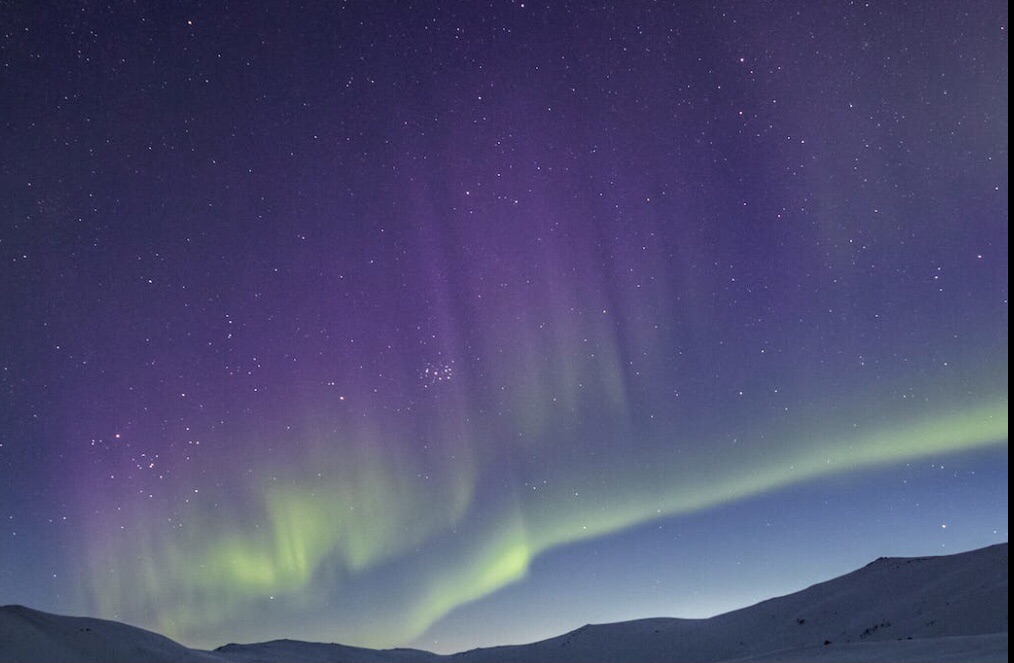
At the end of the day the Territories, with all the adventurers and amazements, the Arctic continues to be recalled as a place where the ordinary became the extraordinary and every day was shaped by the rhythm of nature under a miracle sky of northern lights and amazing midnight sun. An adventure for ten lifetimes.
I have lived a wonderful life.
Safe Travels
Gord
Photo Credits:
Kaps Vessels Photos are from Kaps Shareholder report 1973
Tuk Inaugural Game Photos from Tuktoyaktuk Community Archives
All other Photos credited as noted on the pictures and WordPress royalty free library
Gordon F. W. Patterson