

Tag: Pacific Great Blue Heron
-
A Woodland Afternoon

The air carried a pleasing sweet earthy scent, a mix of fall leaves, fir cones, moss, fungi, and ripened berries; as we quietly walked on an old gravel road unremitting forces of nature would soon reclaim. Our goal: simply to enjoy the outdoors and forest life amidst the openness of shoulder-high young rejuvenating evergreens and…
-
Morning Mist

The trail was a vibrant tapestry of fallen leaves, ferns, each step releasing an earthy aroma of October’s decomposing fish and foliage. Scavenger birds flitted above the river looking for salmon carcasses, their piercing calls counterpoint to the rhythmic sounds of the flowing waters.
-
A Grizzly Bear Encounter
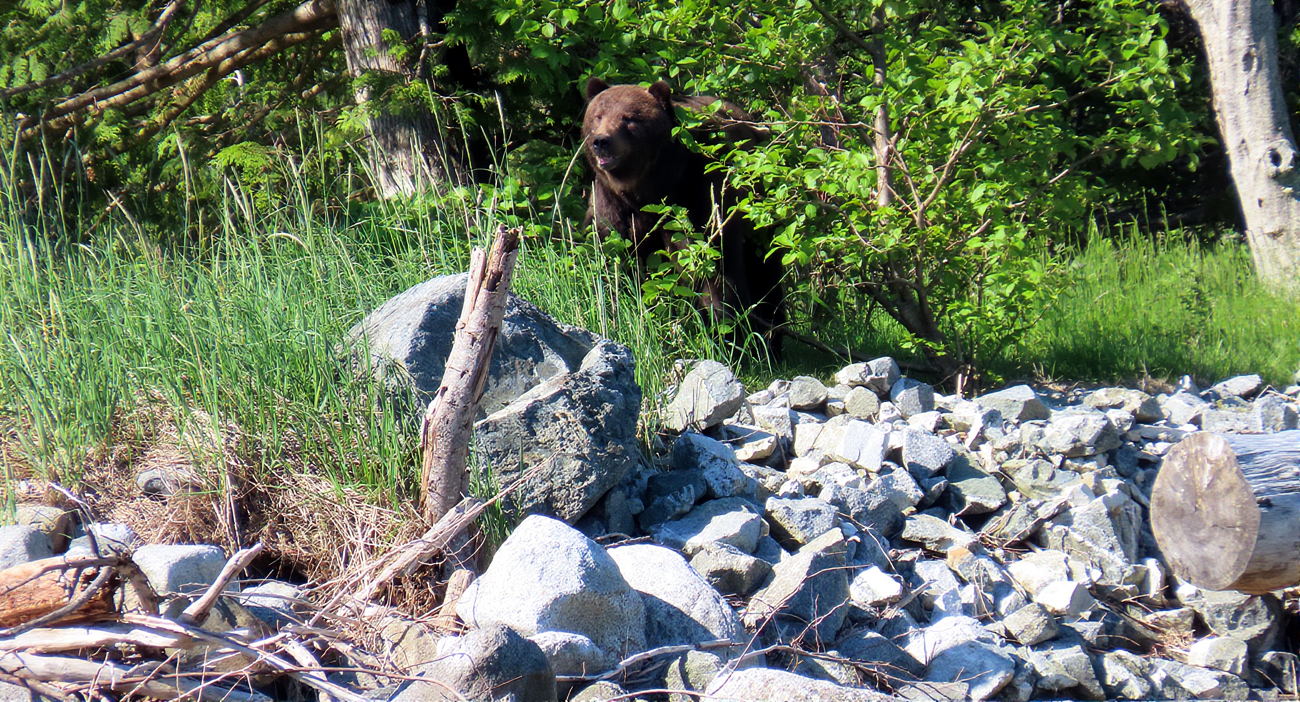
The sun was high and warming to the grizzly bear as he moved slowly down a narrow path.. He was heading towards a grassy estuary, a favourite summer feeding area for bears, deer, moose, ground squirrels…. But today, a primeval stirring was in the June air; an irresistible restlessness felt throughout the Wild kingdom, the…
-
A Black Bear Photo Adventure

This sunny warm afternoon was motivating to get out there again… to observe Black Bears in natural river surroundings, as they feed on returning Pacific Salmon. So Christine, Rosie and I hopped in our truck and drove a short distance to a remote river location we’d often visit, where bears and other usually solitary animals…
-
Pacific Coastal Encounters
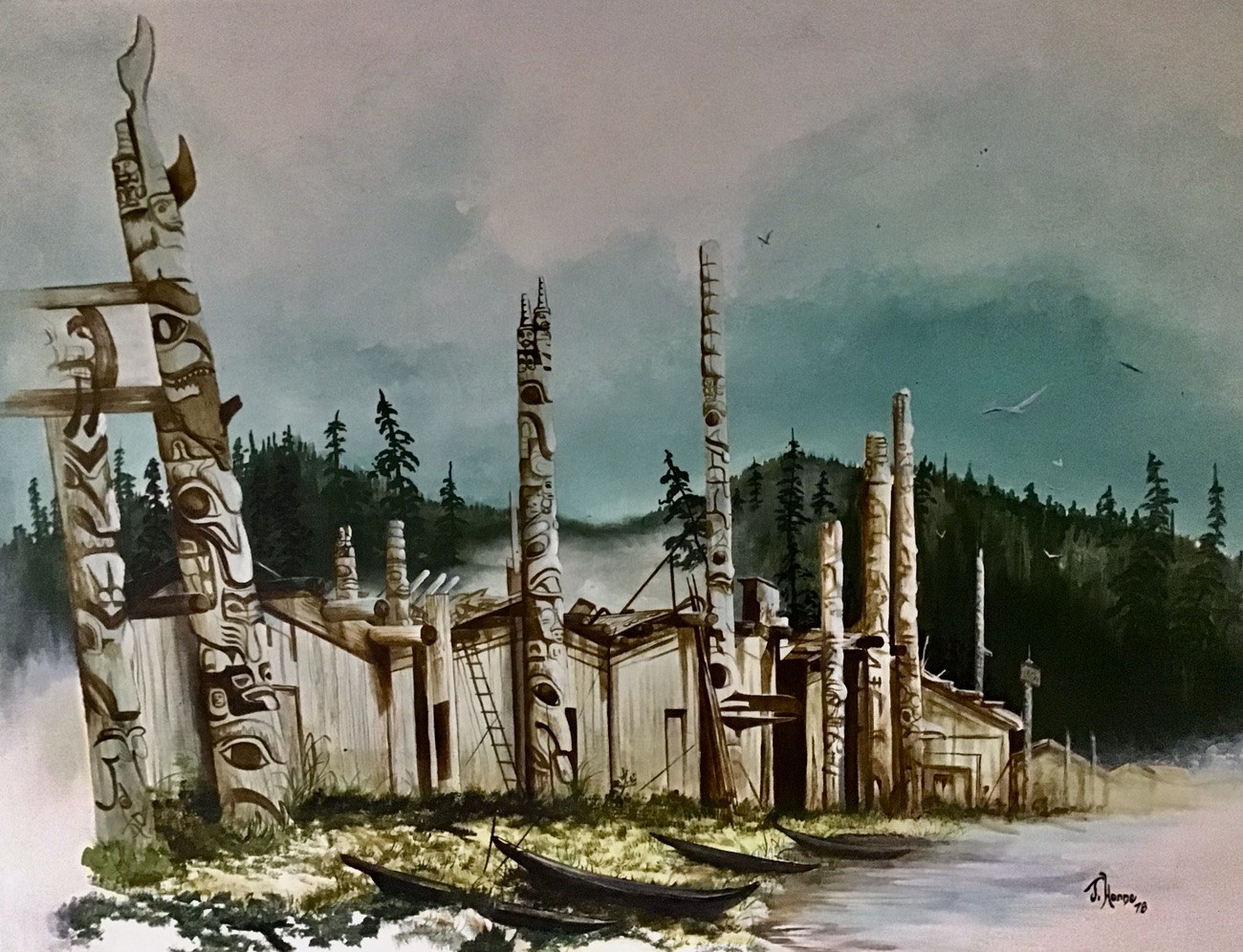
We awoke to a sunny morning, calm blue seas, and a few bright fluffy clouds…. a recipe for a wonderful day exploring British Columbia’s Pacific Northwest waters… So it has been for millennium. Canada’s Pacific coast has over twenty-five thousand kilometres of pristine possibilities to enjoy…. steeped in history, and dotted with villages, bays, fiords,…
-
Coastal Rainforests of British Columbia
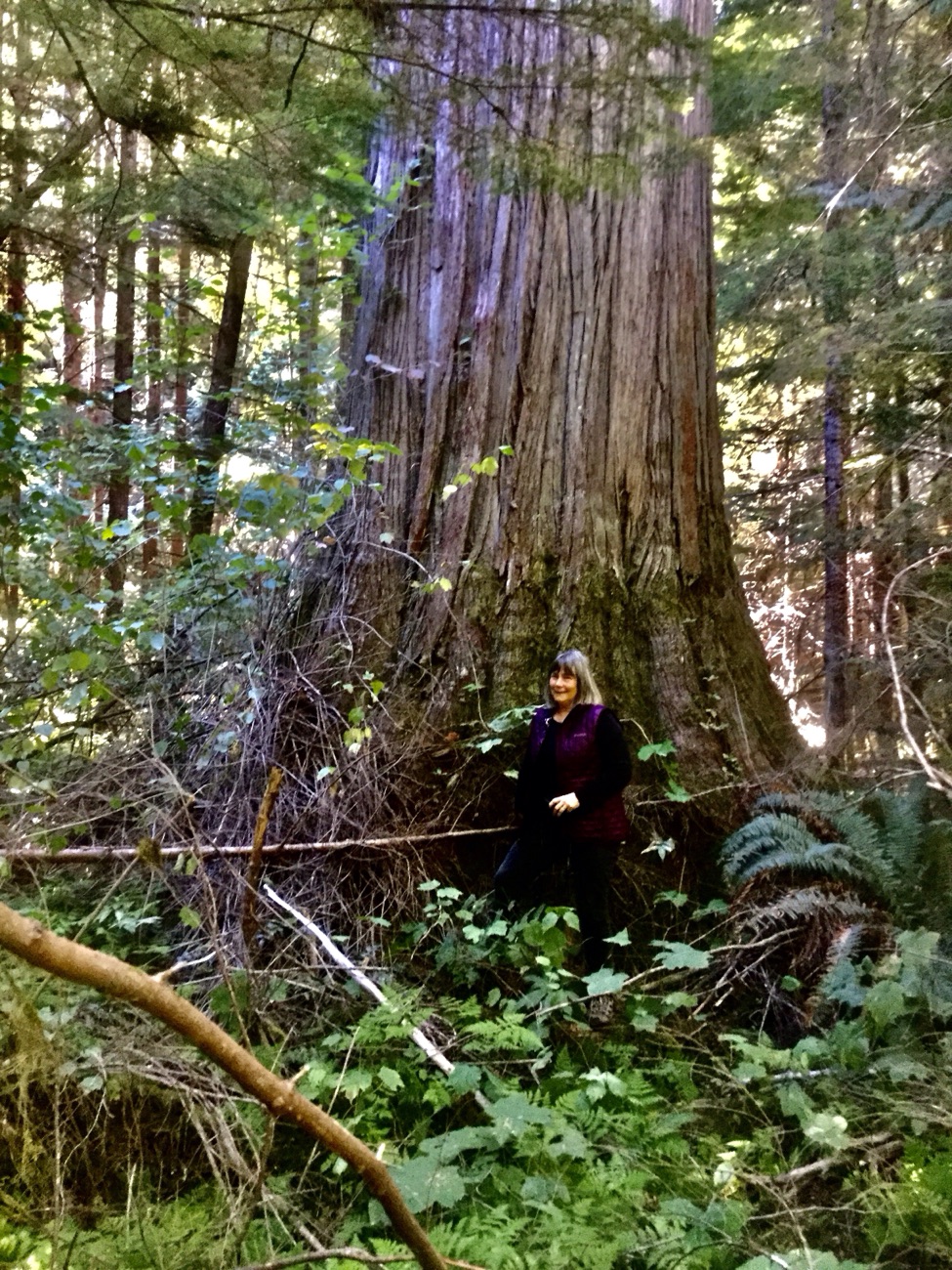
BC’s Coastal Rainforests are a living, breathing, and interdependent synergy of ecosystem components, coexisting in balance with each other. Collectively they are self perpetuating biosphere of tall trees, plants, wildlife, reptiles, and many other organisms found along coastal British Columbia. Forest ground cover includes decaying matter that continuously supports soil nutrient input and replenishment. Optimal…
-
The Pacific Great Blue Heron
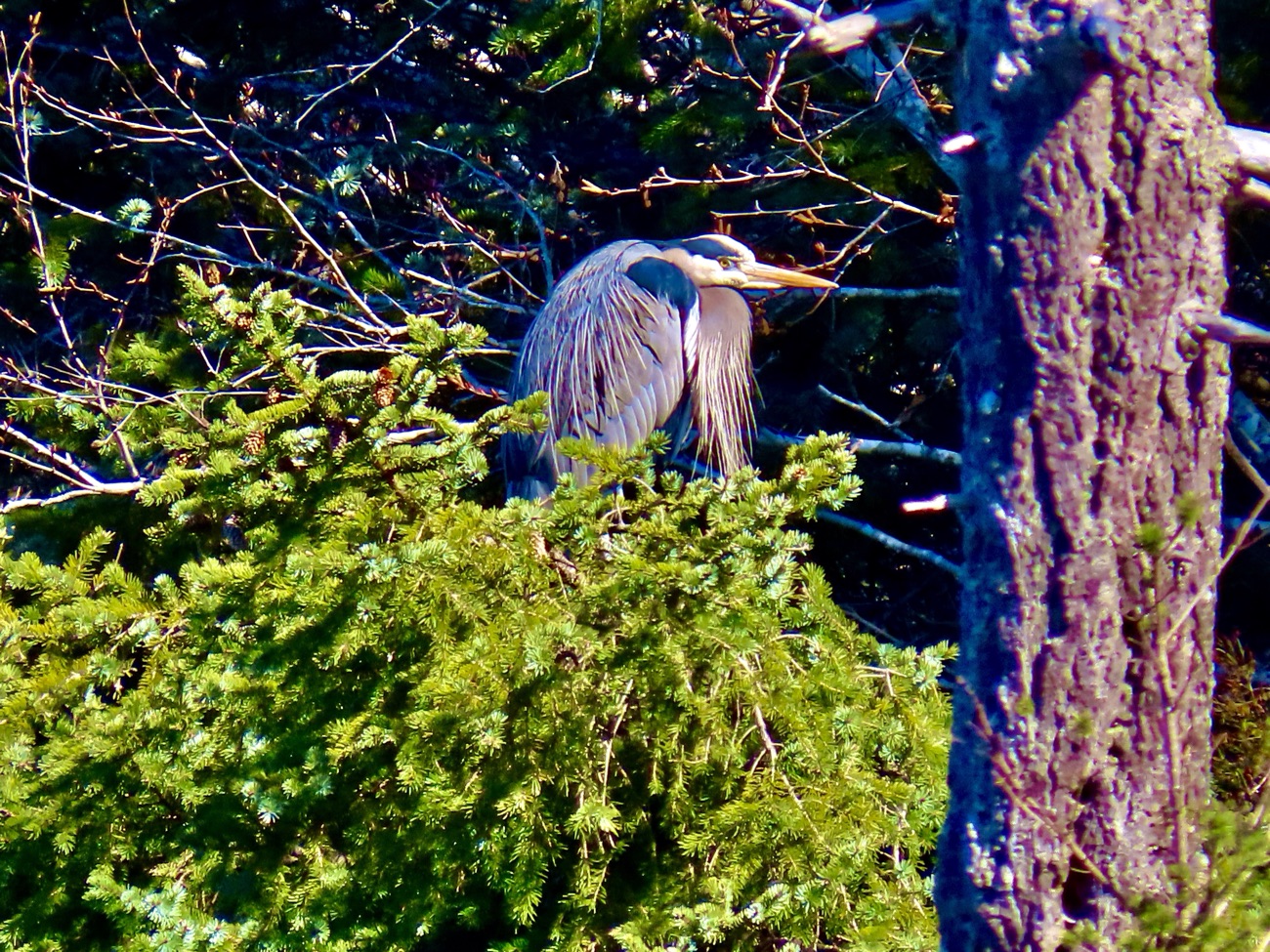
The Great Blue Heron is perhaps the most easily recognized and iconic shore bird in British Columbia. Standing on tall stilt legs, the heron’s handsome blue grey body, bearded chest, long neck, and capped head with slender orange beak grabs your attention right away. They are the largest wading bird in North America.
-
Woodland Lichen
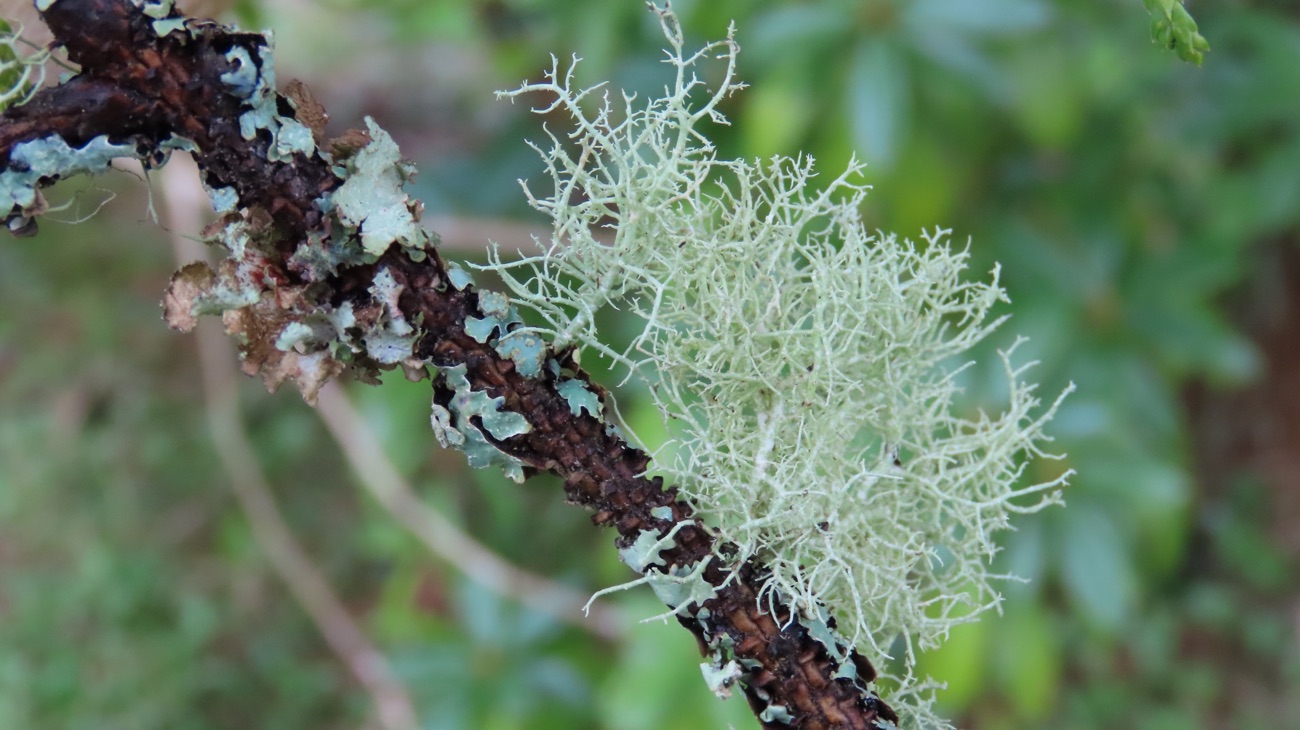
The diversity of vegetation in British Columbia’s Rainforest is amazing, especially in the cool humid environment of North Vancouver Island’s coastal forests. During snow free seasons, hikers are rewarded by volumes of lush foliage sporting unique shapes and designs, scattered between tall evergreens….. Wonderful flora pleasing to the eye with exciting shades of green and…
-
Mushrooms: The Incredible World of Fungi
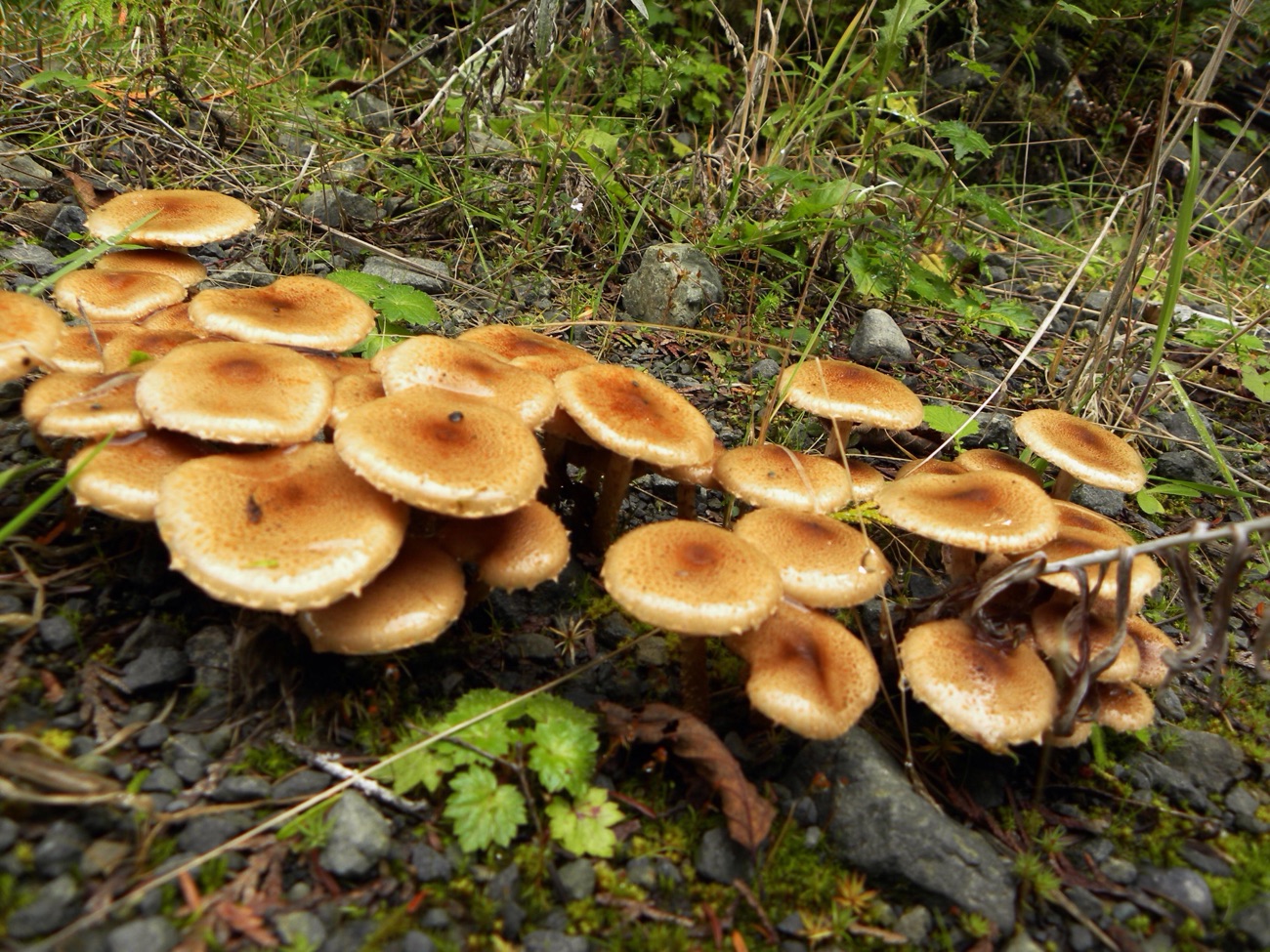
Fungi has an essential role in the natural function of forest ecosystems. Wood-decaying fungi are the primary decomposers breaking down dead wood and recycling nutrients back into the soil! They are also instrumental in creating diverse wildlife habitats by softening wood to form cavities, providing shelter, and forming the base of a food chain for…
-
The Nimpkish Valley

The Nimpkish Valley links the west and east coasts of Vancouver Island and in ancient times served as an important First Nation commerce route via waterways and forest pathways. Such routes were commonly called “grease trails” because of first peoples trade in oolichan grease, a much sought after commodity. The Valley’s westward trails were used…


